
By chunking the editorial tasks, we focus our attention and our decisions, resulting in maximum speed and efficacy.
Author: Adrienne (scieditor)
An editor of words, mostly those in instructional materials — and mostly on technical subjects such as science.

“Plain Language” Editing Isn’t about Using Simple Words
Easy reading is the goal of most editors. Plain Language is a popular and respected set of principles that focus
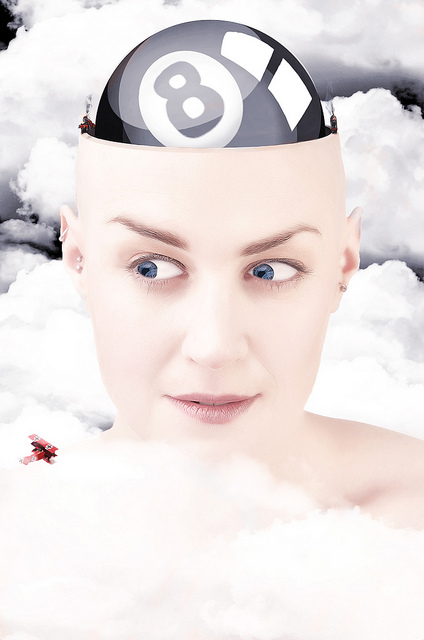
Magic Eight-Ball, Is This a Proofread or a Copyedit?
When your magic eight-ball isn’t handy, follow these steps to figure out what is wanted when you’re asked to “look this over”: proofread, copyedit, line edit, or something more substantive.

Edit Faster! Triage for the Eight-minute Editor
Sometimes there just isn’t time (or budget, or even commitment) to fix everything. Here are the edits (in order) that will help them avoid embarrassment and move the piece in the direction of perfection even if it can’t go all the way.
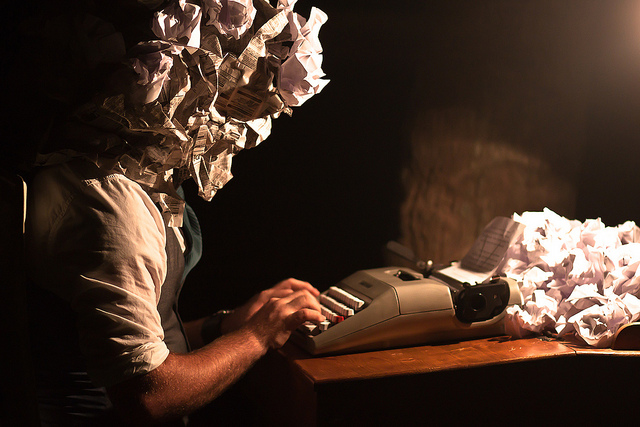
The Art of the Author Memo
Summarize next steps for the manuscript and get the writer to do their part, with an author memo.
Liability and the Content Editor
Editors should look for and flag legal concerns in the content they edit, but should not—cannot, IMHO—be held ultimately responsible for it.

How to Learn Structural Editing
Reading list to develop skills in structural/developmental editing.
Do I Have to Spell It Out for You? Acronyms & Initialisms
Got acronyms? Here’s how to style them in your work, plus when to explain them and how.

25 Project Red Flags
Learn to see the bad clients (and bad projects from good clients) coming.
Measure Elements of a PDF
For quality control, there are times a designer or proofreader needs to measure elements of a PDF. You can do