
Can you see that? Designs continue to lower their contrast, use smaller fonts, and are designed to be pretty but
Category: substantive / developmental editing
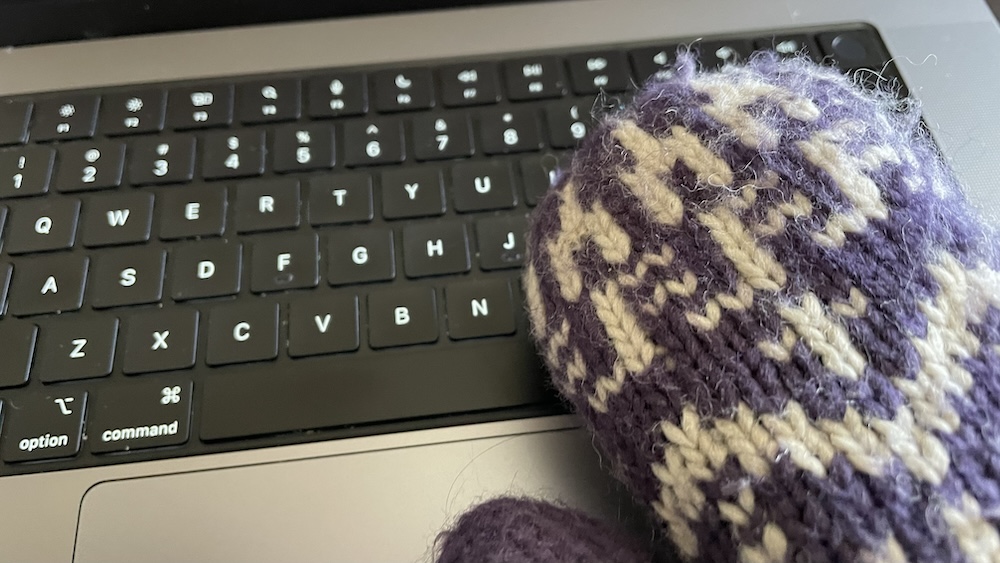
Learn to Edit Less Using the “Mittens Method”
The goal is to offer minimal interventions to bring a piece of writing to the next stage. But how can you learn to edit with a lighter hand?

When There’s No Time to Read It All before Editing
The Typographic Oath was suggested by senior editor Erin Brenner as a guiding principle of editing ethics.* Her second point

Treating Plagiarism
What to do when you discover someone else’s content used without credit.

Chunk Editing Tasks for Maximum Efficacy and Efficiency
By chunking the editorial tasks, we focus our attention and our decisions, resulting in maximum speed and efficacy.

“Plain Language” Editing Isn’t about Using Simple Words
Easy reading is the goal of most editors. Plain Language is a popular and respected set of principles that focus

Edit Faster! Triage for the Eight-minute Editor
Sometimes there just isn’t time (or budget, or even commitment) to fix everything. Here are the edits (in order) that will help them avoid embarrassment and move the piece in the direction of perfection even if it can’t go all the way.

The Art of the Author Memo
Summarize next steps for the manuscript and get the writer to do their part, with an author memo.

How to Learn Structural Editing
Reading list to develop skills in structural/developmental editing.

Plain Language Checklist for Clear (Not Simplistic) Communication
Funny enough, plain language editing is barely about word choice, and is never about “dumbing down.”